Selling
Should You Fix Up Your Home Before Selling? The Real Cost of 'Good Enough'
By Barb Ralston
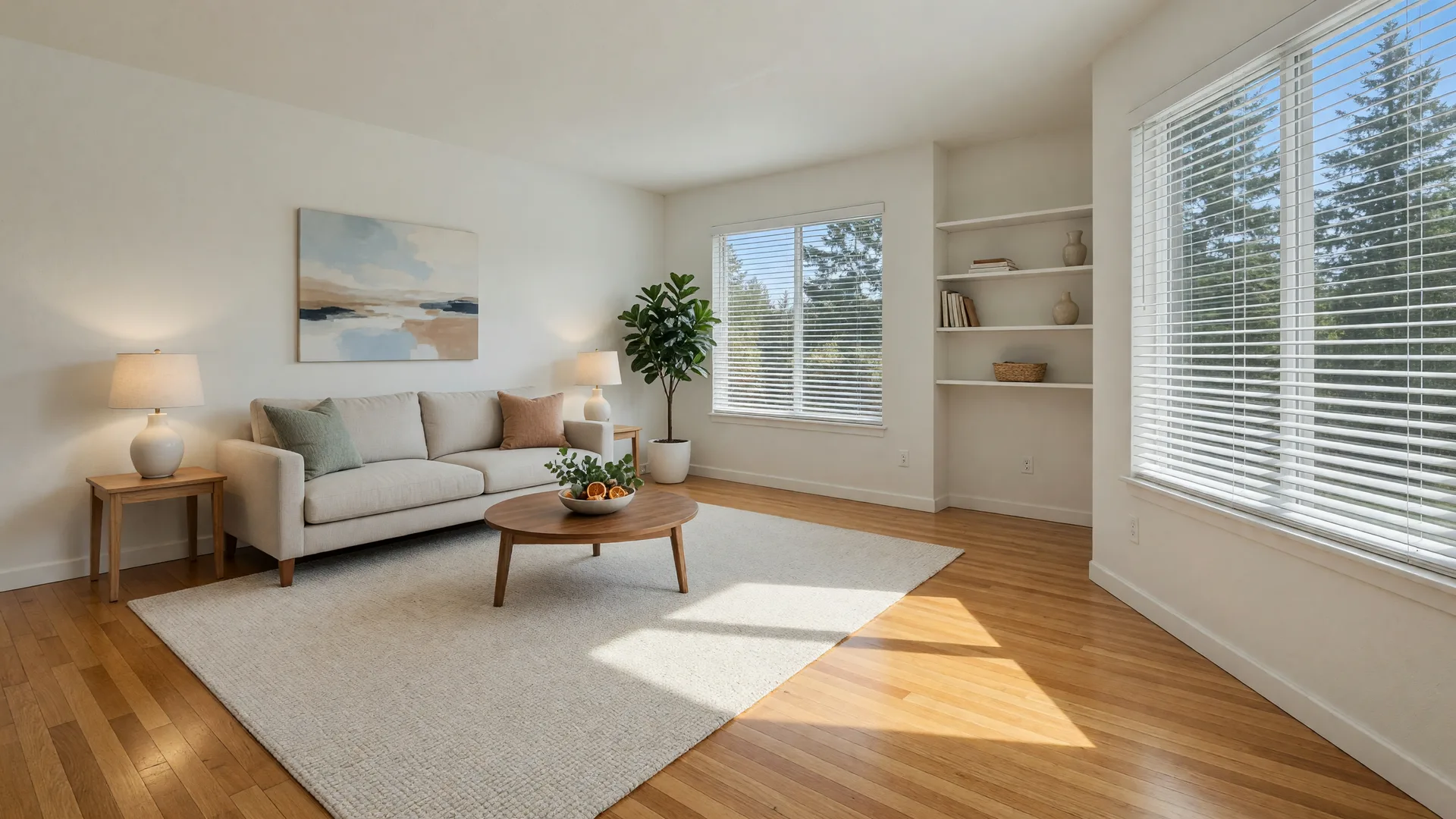
So your house needs some work. The carpet is worn. The walls could use fresh paint. The blinds are dated. And you're wondering: is it worth the money and hassle to fix it up, or should I just sell it as-is and let the next owner deal with it?
It's a fair question. And the answer might surprise you. In today's market, skipping the repairs can actually cost you far more than making them. Let's break down the real numbers.
Buyers today want move-in ready homes. According to Zillow's 2025 data, buyers are willing to pay $13,000 more for a move-in ready home, while fixer-uppers are being discounted by 7.3% — the largest discount in three years. The days of "sell it as-is and someone will pay top dollar" are largely behind us.
There are compelling reasons to invest in pre-sale repairs and updates:
And here's another factor: staging. The same NAR report found that 83% of buyers' agents said staging helped buyers envision the home as their own. That emotional connection is what drives strong offers.
Let's be fair and look at the other side:
There are upsides to skipping the work:
Here's where the math stings:
And here's a striking stat: according to a Hippo/Zillow survey, 1 in 5 homeowners who bought fixer-uppers regret it. Today's buyers know what they want, and they're not settling.
The median home price in Tigard is approximately $630,000, and in Tualatin it's around $633,000 (Redfin, Movoto, 2025-2026). Using that as a reference point, let's see what the data says.
Zillow's 2025 data shows that fixer-uppers sell at a 7.3% discount compared to move-in-ready homes, while remodeled homes sell for a 3.7% premium (Zillow, 2025). On a $630,000 home in Tigard or Tualatin, that 7.3% discount means you could lose $45,990. The buyer on the other end gets a deal while you leave nearly $46,000 on the table.
Meanwhile, the National Association of Realtors found that 29% of agents saw a 1% to 10% increase in dollar value offered on staged homes (NAR, May 2025). On that same $630,000 home, that's $6,300 to $63,000 more in your pocket.
This is an illustrative example using local median prices to show the potential impact. Your actual results will vary based on your home's specific condition, location, and market timing. But the takeaway is clear: the cost of basic prep work like cleaning, paint, carpet, floors, and blinds is a fraction of what you stand to gain. Skipping it doesn't save you money. It costs you money.
Here's something sellers often overlook: the garage. Buyers want to see every square foot of the home, including the garage. A packed garage makes the home feel smaller and looks lived-in rather than move-in ready. The entire home — garage included — needs to be clean, lightly staged, and fully visible.
The cost of renting a storage unit for a month or two is small compared to the payoff of a spacious, cleared-out garage that helps buyers imagine their own cars, tools, and storage in the space.
The sellers who consistently get the best offers are the ones who present a clean, cared-for, move-in ready home. Buyers are paying a premium for homes they can walk into and feel good about immediately. They're not looking for a project.
I know it feels like a lot to take on. That's why I'm here: to help you sort through what's worth doing and what's not, connect you with trusted contractors, and make sure every dollar you spend works as hard as it can for you.
If you're thinking about selling and wondering whether repairs are worth it, let's talk. The numbers are on your side.
I'll walk through your home with you and give you honest, practical advice on what's worth doing and what you can skip. No pressure, just clarity.
Let's TalkSources