Insights
Micro Market Dynamics: Why Real Estate Varies Street by Street
By Barb Ralston
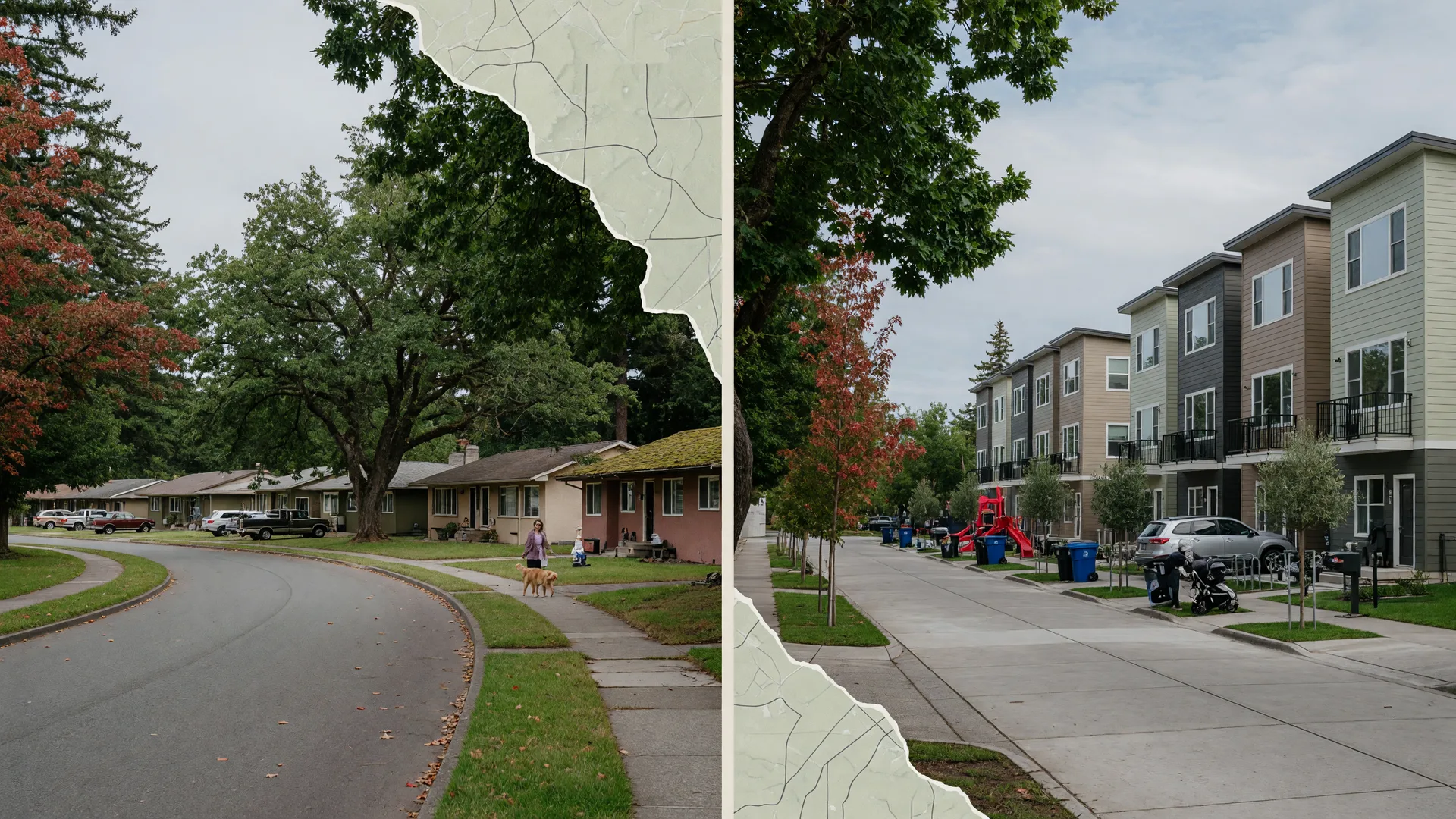
You hear it on the news every week: "The housing market is cooling" or "Prices are up 4% across the metro area." These headlines are true in a general sense. But general is not useful when you're buying or selling a home. The real estate market doesn't move as one uniform block. It moves in pockets — sometimes block by block, street by street.
This is what real estate professionals call micro market dynamics. And understanding them is the difference between making a smart move and leaving money on the table.
A micro market is a small geographic area — sometimes a neighborhood, sometimes just a few blocks — where market conditions differ from the surrounding area. Think of it like weather microclimates: one part of town gets rain while another stays dry. Real estate works the same way.
Two homes built in the same year, by the same builder, a mile apart, can sell at completely different price points and timelines. The reason is simple: what makes a home valuable isn't just the structure itself. It's everything around it.
Several factors drive local market variation. Here are the most important ones I see every day in Washington County:
In Oregon, school boundaries can shift from one street to the next. A home on the east side of Pacific Highway in Tigard may feed into Tigard High School, while a home just west of it feeds into Tualatin High School. Buyers with school-age children are often willing to pay a premium to be in a particular attendance area. This means two nearly identical homes on opposite sides of a boundary can have meaningfully different market values.
A home within walking distance of the Tigard Triangle, the Tualatin Commons, or Old Town Sherwood commands a different price than one on a cul-de-sac with no sidewalks near a highway. Walkability to coffee shops, grocery stores, parks, and public transit is increasingly important to buyers. In Beaverton, homes near the MAX light rail stations or The Round in Beaverton Central consistently see more demand and shorter days on market than comparable homes in car-dependent pockets.
When a new development goes in, it pulls demand into that pocket. New construction raises the perceived value of the whole area, including older homes nearby. Conversely, a major road construction project or changes in zoning can temper demand in the short term. Micro markets shift as the landscape changes.
In Tigard, homes backing up to Cook Park or along the Fanno Creek Trail system have a distinct advantage. In Tualatin, proximity to Tualatin River National Wildlife Refuge or the Ibach Park area creates a price premium. In Hillsboro, the Orenco Woods Nature Park and the surrounding Orenco Station neighborhood form a self-contained micro market with its own price dynamics. Buyers pay more for views, trails, and green space — consistently.
Neighborhoods with active homeowners associations, community pools, and maintained common areas — like Summerfield in Tigard or King City — attract a specific buyer profile. Those amenities are factored into the price and the desirability of the area. Meanwhile, a nearby neighborhood without those same amenities may appeal to a different type of buyer and move at a different pace.
If you rely on city-wide or metro-wide statistics, you might think the market is too expensive, too competitive, or too slow. The reality is that within any market, there are pockets that fit your needs and budget. A home in the right micro market can give you more square footage for your dollar, better schools for your kids, or a shorter commute than you'd expect from the headlines.
The key is knowing which micro markets to look at. A good agent doesn't just pull up every active listing. They narrow the search to the neighborhoods that match your priorities — and they know which ones are likely to hold value long term.
Pricing a home based on "the average" is a mistake. If you live in Summerfield, you are not competing with homes in downtown Tigard. If you live in Orenco Station, your comparable sales are not the same as those in Reedville. Proper pricing requires analyzing sales within your specific micro market — the same school district, the same walk score profile, the same style of development.
This is where an agent with hyperlocal knowledge earns their keep. I've seen sellers leave thousands of dollars on the table because they priced based on the wrong comparables. I've also seen sellers struggle to attract offers because they overpriced based on a hot neighborhood that doesn't share their micro market conditions.
Let me give you a concrete example. In Tigard, the King City and Summerfield neighborhoods are both popular with the 55-plus and downsizing crowd. They share similar buyer demographics. But their pricing, inventory turnover, and negotiation dynamics can be completely different week to week because Summerfield has different HOA structures, amenity offerings, and a slightly different mix of attached versus detached homes.
In Sherwood, the difference between a home in the older tree-lined downtown area near Old Town and a newer home in the Southview development can be significant. Downtown Sherwood buyers pay for walkability, character, and proximity to community events. Southview buyers prioritize newer construction, energy efficiency, and larger floor plans. Both are Sherwood. Both are excellent places to live. But they function as different markets.
In Tualatin, homes near the Tualatin Commons — the lake, the restaurants, the summer concerts — attract a different buyer than homes in the quieter residential pockets near Ibach Park. One is about lifestyle and vibrancy. The other is about space and tranquility. Pricing and demand reflect those differences.
In Beaverton, the micro markets range from established neighborhoods near the Cedar Hills area to newer construction closer to Cooper Mountain. Each has its own buyer profile, price range, and days-on-market average. And in Hillsboro, the difference between Orenco Station (urban, walkable, MAX-adjacent) and the more suburban families neighborhoods near Hare Field is night and day.
These are not abstract distinctions. They show up in the data, in the offers, and in how quickly homes sell.
National real estate websites and general market reports are useful starting points. But they can't tell you that homes on a particular block in Tigard consistently sell for 5% more because of the view corridor. They can't tell you that a certain street is actually a school boundary line and your kids would attend a different school than the house two doors down. They can't tell you that a new development is coming to a neighboring lot, or that the city just approved a park expansion half a block away.
That kind of knowledge is local. It's earned by driving the streets, attending community meetings, and tracking sales — not zip code by zip code, but street by street.
With 30 years in Oregon real estate, I've watched these micro markets form, shift, and mature. I've helped buyers find the pocket that fits their life and their budget. I've helped sellers price with precision and confidence. That's the value of experience rooted in one community.
Whether you're buying or selling, city-wide headlines won't tell you what you need to know. Let's talk about your specific neighborhood and goals.
Let's Connect